Wondering how much you really need to do before listing your Palmerton home? If your house has a little age, a few unfinished projects, or the usual signs of everyday living, you are not alone. The good news is that getting market ready often has less to do with a big remodel and more to do with showing buyers a home that feels clean, cared for, and well maintained. Let’s dive in.
Why prep matters in Palmerton
Palmerton’s housing stock tends to be older, and that shapes what buyers notice. Census and local historical sources show a borough with many long-standing homes, and a planning appendix based on the 2000 census reported that 88.5% of Palmerton homes were built before 1970.
That does not mean buyers expect perfection. It does mean they are more likely to pay close attention to upkeep, visible repairs, moisture issues, and the overall feel of the property. In a market like Palmerton, smart preparation helps reduce buyer uncertainty and builds confidence from the start.
Start with decluttering and cleaning
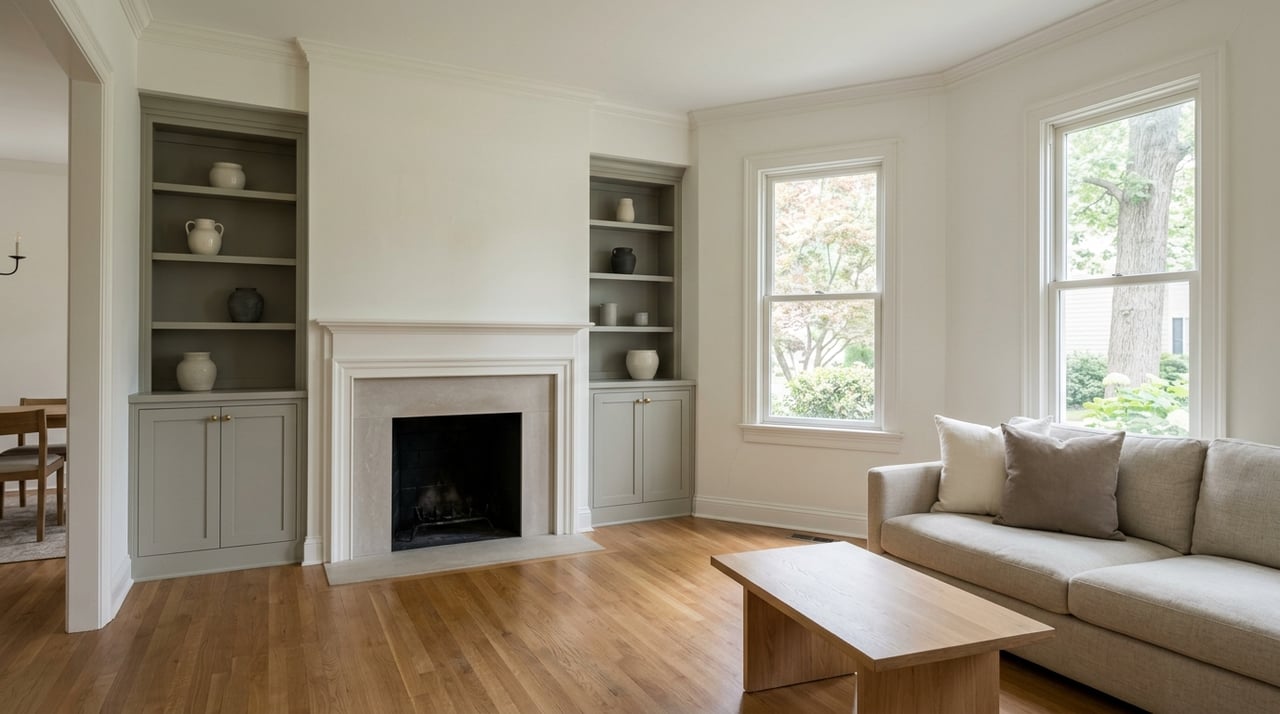
Before you think about updates, start by removing distractions. The 2025 Profile of Home Staging from the National Association of Realtors found that sellers’ agents most often recommended decluttering the home, cleaning the entire home, and improving curb appeal.
That advice makes sense because clutter can make rooms feel smaller, darker, and harder to photograph. A clean, simple space helps buyers focus on the home itself instead of your belongings.
Use a simple decluttering system
If the process feels overwhelming, keep it practical. Penn State Extension recommends sorting items into five groups:
- Keep
- Donate
- Sell
- Recycle
- Trash
This room-by-room method can help you make steady progress without overthinking every item. It is also useful if you are already preparing for a move and want to lighten the load early.
Focus on high-impact areas first
If you are short on time, prioritize the spaces buyers tend to notice most:
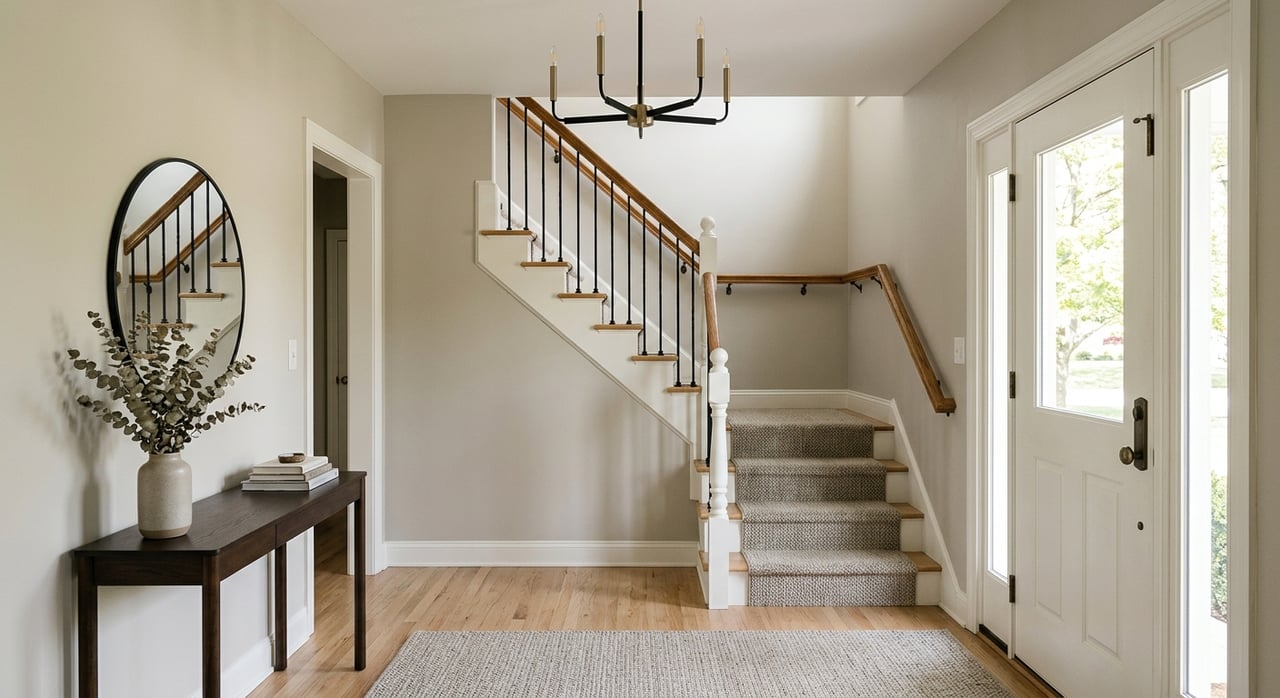
- Front entry
- Living room
- Kitchen
- Bathrooms
- Primary bedroom
- Closets
Try to clear counters, reduce extra furniture, and put away personal items. NAR consumer staging guidance also suggests keeping closets about half full, which helps them look more spacious.
Deep clean like buyers are inspecting
A basic tidy-up is not enough before listing. You want the home to feel fresh, bright, and easy to maintain.
Pay extra attention to:
- Floors and baseboards
- Windows and window sills
- Kitchen surfaces and appliances
- Bathroom fixtures and grout
- Light fixtures and switch plates
- Doors, trim, and stair rails
There is also a practical benefit here. Extension guidance notes that reducing clutter can help cut down on tripping hazards, which makes the home safer during showings.
Choose simple cosmetic updates
In most cases, your best return comes from low-cost improvements, not major renovations. For Palmerton sellers, the goal is usually to present the home as clean, bright, and well cared for.
That means focusing on cosmetic fixes that improve first impressions without sinking money into projects buyers may not value the same way.
Refresh paint and patch minor wear
Paint touch-ups and small repairs are among the most common pre-listing improvements reported by NAR. Neutral colors such as beige, gray, or soft white can help create a calmer backdrop and make spaces feel more move-in ready.
You do not need to repaint every room unless the walls are heavily marked, damaged, or very personalized. In many homes, patching nail holes, touching up scuffs, and freshening the most visible spaces is enough.
Make small repairs buyers will notice
Little problems can leave a bigger impression than you expect. A loose handle, cracked switch plate, sticking door, or dripping faucet may seem minor, but together they can make buyers wonder what else has been overlooked.
Walk through your home with a fresh set of eyes and make a list. If something is visibly broken or worn, there is a good chance it is worth fixing before your home hits the market.
Improve curb appeal without overdoing it
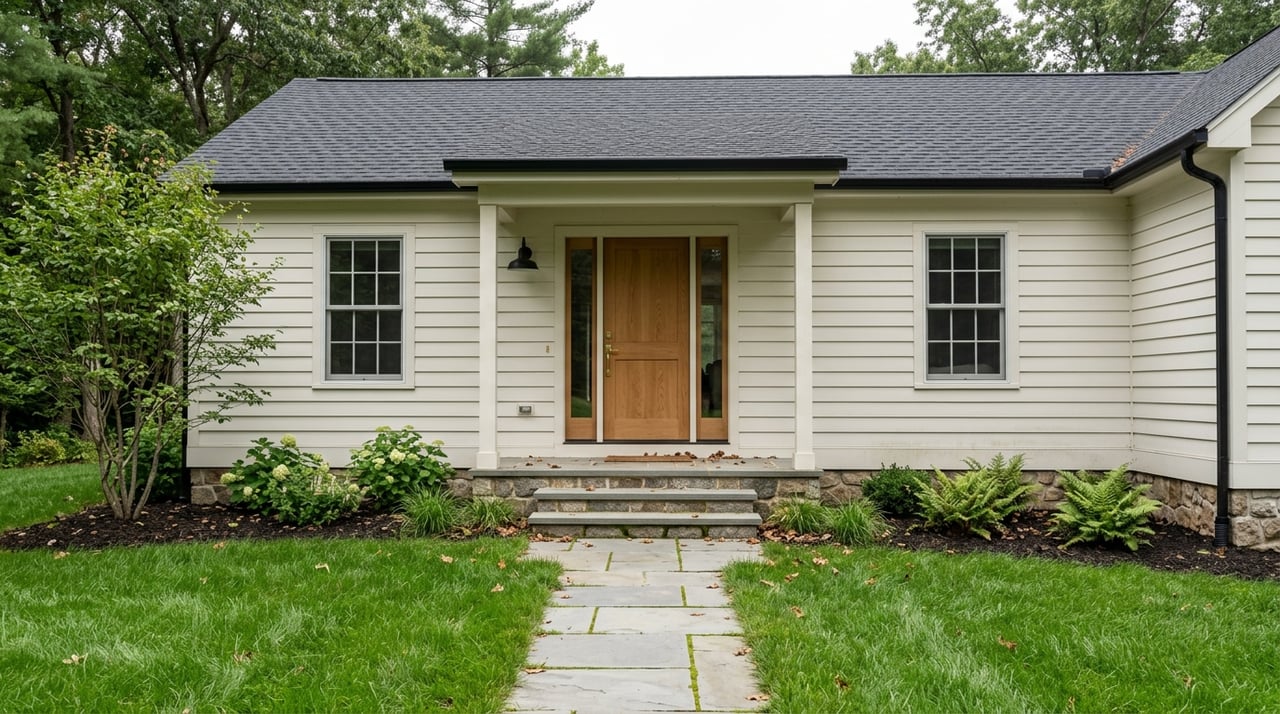
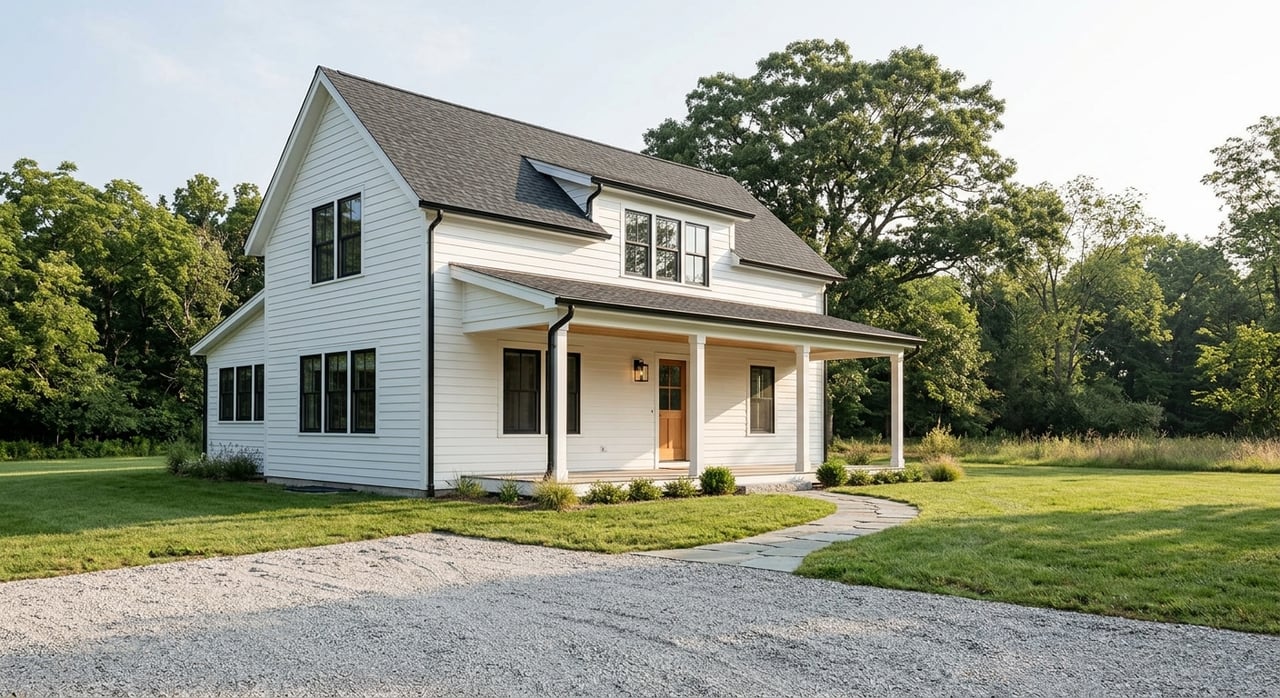
Your exterior sets the tone before buyers ever step inside. NAR staging guidance points to curb appeal as one of the most common and effective areas for seller preparation.
The good news is that you do not need elaborate landscaping. In many cases, a few simple improvements can make the home feel more inviting.
Easy curb appeal updates
Consider tackling these basics:
- Sweep the porch and walkway
- Add a clean doormat
- Trim overgrown plants
- Mow and edge the lawn
- Clean the front door and hardware
- Add a few potted plants near the entrance
These updates help create a tidy first impression and signal that the property has been maintained. For older homes especially, that first impression matters.
Prioritize maintenance before listing
If your home has visible maintenance issues, move those to the top of your list. Buyers often use the condition of the roofline, windows, gutters, and basement as clues about the care of the entire property.
In Palmerton, where many homes are older, maintenance can carry more weight than trendy finishes. A buyer may forgive dated decor more easily than signs of moisture or neglect.
Watch for leaks and water issues
EPA WaterSense says proper home maintenance helps fixtures and systems perform well, and its checklist highlights leak checks and water-heater maintenance. University and extension guidance also emphasizes protecting the home from water by keeping roofs, walls, windows, and doors properly sealed and by directing water away from the house.
That makes moisture control one of the most important pre-listing priorities. If buyers see stains, dampness, musty smells, or signs of drainage trouble, they may assume bigger problems could be hiding.
Check these areas before showings
Give special attention to:
- Roof condition and visible flashing issues
- Gutters and downspouts
- Door and window seals
- Basement or crawl space dampness
- Water heater condition
- Decaying exterior trim
If possible, inspect the basement after wet weather. Guidance from UGA Extension specifically recommends checking for basement dampness or leaks after rain, since that can reveal issues you might miss on a dry day.
Get organized for Pennsylvania disclosures
Pennsylvania sellers are required to disclose known material defects. The state seller disclosure form asks about many major parts of the home, including the roof, basement or crawl space, plumbing, heating and air conditioning, electrical systems, water and sewage systems, structural issues, pests, soils and drainage, additions or remodeling, and certain environmental concerns.
For that reason, one of the smartest things you can do before listing is gather your information early. If you have receipts, service records, repair invoices, warranty details, or notes about updates, keep them in one place.
Helpful documents to gather
Try to collect:
- Roof repair or replacement records
- HVAC service records
- Plumbing or electrical repair invoices
- Receipts for renovations or additions
- Information about water, sewer, or septic systems if applicable
- Pest treatment records
- Notes about drainage, basement, or foundation work
This does not mean you need to have done every repair. It means you should be ready to disclose known issues honestly and provide clear information where you can.
Be thoughtful with older-home concerns
Older homes can have character, but they can also come with extra questions. A smart pre-listing plan helps you deal with those concerns before they become last-minute surprises.
Lead-based paint may apply
If your home was built before 1978, federal rules require buyers to be given any known lead-based paint information before contract signing. EPA also recommends lead-safe work practices when renovation, repair, or painting will disturb lead-painted surfaces.
That is important if you are planning quick cosmetic work. Scraping peeling paint or sanding older surfaces without proper care can create avoidable risk.
Radon is worth addressing early
The Pennsylvania Department of Environmental Protection says radon is odorless and invisible, and that Pennsylvania is especially prone to elevated levels. According to DEP, about 40% of tested homes in the state are above the EPA action guideline of 4 pCi/L.
If you are thinking about radon testing, it often makes sense to do it before your home goes live or early in the listing process. That can help reduce surprises during negotiation, and DEP advises using a certified radon professional in Pennsylvania when testing, mitigation, or analysis is needed.
A practical Palmerton seller checklist
If you want to keep things simple, focus on the items most likely to improve presentation and reduce buyer concern.
Your market-ready checklist
- Declutter each room using keep, donate, sell, recycle, and trash categories
- Remove personal items and excess furniture
- Deep clean kitchens, bathrooms, floors, windows, and closets
- Touch up paint in neutral tones where needed
- Fix obvious minor issues like leaks, loose hardware, and broken trim
- Clean and refresh the front entry
- Trim landscaping and improve curb appeal
- Check gutters, downspouts, seals, and drainage
- Look for basement or crawl space moisture
- Gather records for repairs, updates, and systems
- Prepare to complete Pennsylvania seller disclosures carefully
- Consider early radon testing if appropriate
Focus on confidence, not perfection
The best way to get your Palmerton home market ready is usually not to remodel everything. It is to make the home feel clean, open, and responsibly maintained while being honest and organized about what you know.
That approach fits both the local housing stock and what buyers tend to value most. If you are not sure where to spend time or money before listing, a practical local perspective can make the process much easier.
When you are ready for straightforward guidance, reach out to Bear Rock Realty. Their team brings local insight and practical property knowledge to help you decide what is worth doing before your home hits the market.
FAQs
What should I fix before listing a home in Palmerton?
- Start with visible issues that affect buyer confidence, such as leaks, damaged trim, peeling paint, broken hardware, gutter problems, and signs of basement dampness.
Does staging matter when selling a Palmerton home?
- Yes. Staging often starts with decluttering, cleaning, and simplifying the space so buyers can picture the home more easily.
Should I remodel my Palmerton house before selling?
- Usually, simple cosmetic updates and needed repairs make more sense than a full remodel, especially if the goal is to show the home is clean and well maintained.
What do Pennsylvania sellers need to disclose?
- Pennsylvania sellers must disclose known material defects, including issues related to the roof, basement or crawl space, plumbing, HVAC, electrical systems, structure, drainage, pests, and certain environmental concerns.
Should I test for radon before selling a home in Pennsylvania?
- It can be a smart step because Pennsylvania is prone to elevated radon levels, and testing early may help you avoid surprises later in the transaction.